
Ranthambore
National Park.
Expert safari planning, personalized zone guidance, and hassle-free permit assistance across India’s top wildlife destinations — including Ranthambore, Sariska, Jim Corbett, Jawai Leopard Reserve, and beyond.
India's Most Iconic Tiger Reserve
Ranthambore National Park, located in Sawai Madhopur, Rajasthan, lies where the Aravalli and Vindhya ranges meet. Once a royal hunting ground of the Maharajas of Jaipur, the park was declared a national park in 1980 and today spans around 1,334 sq km of forests, grasslands, lakes, and historic ruins.
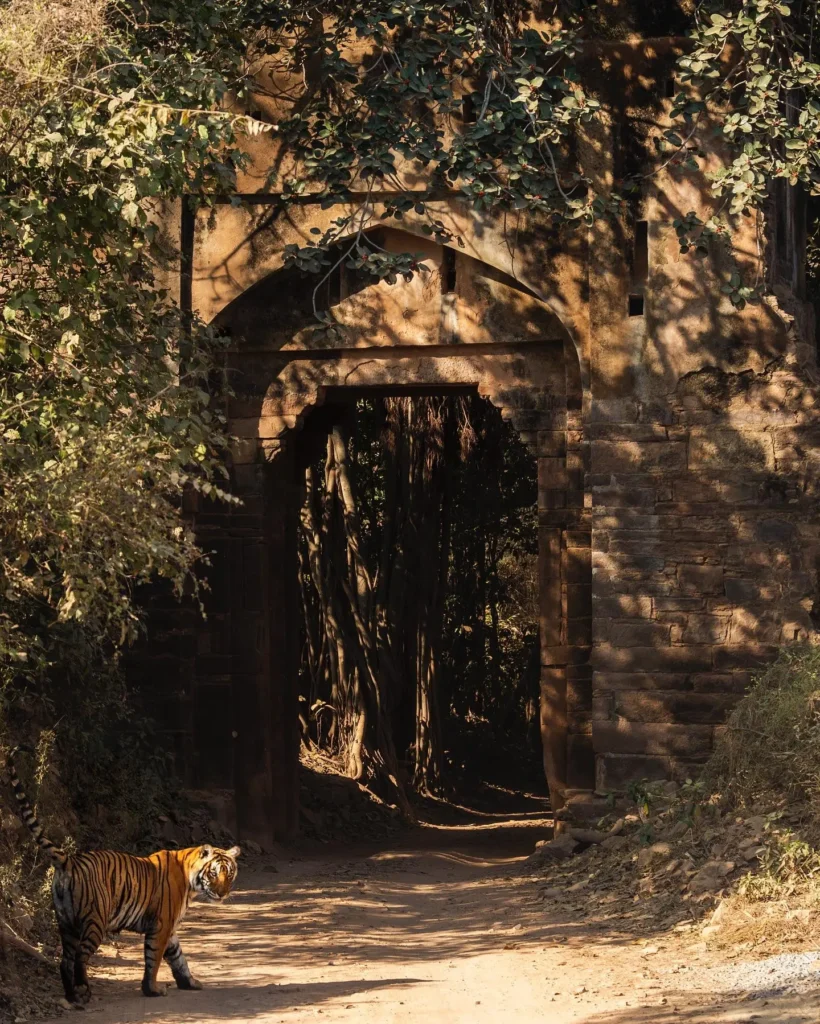
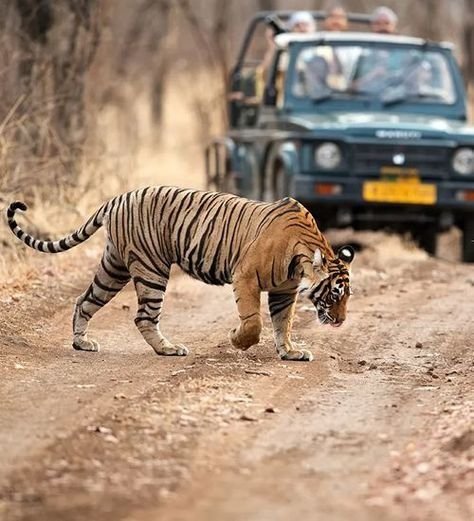
Ranthambore is renowned for its thriving population of Royal Bengal Tigers and exceptional daytime wildlife sightings. Visitors often encounter tigers around picturesque lakes, ancient forts, and forest trails, making it one of India’s most remarkable destinations for wildlife enthusiasts and a celebrated success story of Project Tiger.
- Home to 70+ Royal Bengal Tigers
- 10 Safari Zones with distinct terrain
- UNESCO World Heritage Fort inside the park
- 300+ bird species — a birder's paradise
History & Heritage
Ranthambore’s history spans more than a thousand years, with the magnificent Ranthambore Fort standing as its most iconic landmark. Built in 944 AD by the Chauhan Rajputs, the fort rises dramatically above the surrounding landscape and has witnessed centuries of battles, royal dynasties, and changing kingdoms. Today, it is recognized as part of a UNESCO World Heritage Site.
For generations, the forests surrounding the fort were used as royal hunting grounds by the Maharajas of Jaipur. After independence, dedicated conservation initiatives transformed the region into a protected wildlife sanctuary in 1955 and later a national park in 1980.
What makes Ranthambore truly special is the remarkable blend of history and wilderness. Ancient temples, fort ruins, and centuries-old structures stand quietly among the forest, creating a landscape where majestic tigers roam alongside historic monuments — a sight that captures the unique spirit of Ranthambore.