
Kuno National
Park
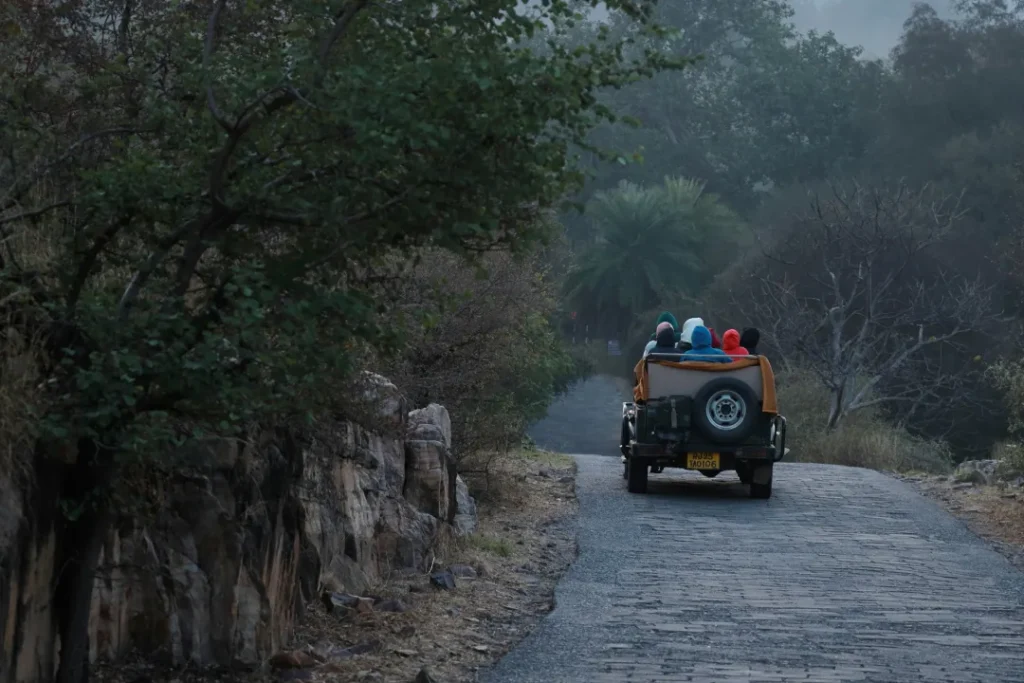
India’s Cheetah Revival Landscape
Kuno National Park, located in the Sheopur district of Madhya Pradesh, has emerged as one of India’s most fascinating wildlife destinations following the historic return of cheetahs to the country in 2022. After being absent from India for more than seven decades, African cheetahs were brought to Kuno under Project Cheetah, making the park a major centre for one of the world’s most ambitious wildlife reintroduction efforts.
Why Kuno?
Kuno’s wide grasslands, open woodland, rocky landscapes, and river valleys create a natural setting well suited to cheetahs. Beyond its famous big cats, the park supports a diverse range of wildlife and offers visitors a glimpse into one of India’s most exciting conservation projects.
- African Cheetahs — Cheetahs from Namibia and South Africa have been brought to Kuno as part of India’s cheetah reintroduction programme
- Indian Leopards — A resident leopard population shares the landscape with the newly introduced cheetahs
- 748 sq km — A vast protected landscape of grasslands, forests, valleys, and open plains
- Kuno River — The river provides an important source of water and supports wildlife throughout the park
- Conservation Legacy — Kuno was originally developed as a potential habitat for the relocation of Asiatic lions from Gir
Project Cheetah
India’s cheetah conservation journey entered a new chapter in September 2022, when the first group of eight cheetahs from Namibia was introduced into Kuno National Park. Additional cheetahs were later brought from South Africa, creating an international conservation effort focused on establishing a sustainable cheetah population in India.
The project has progressed through careful monitoring, acclimatisation, breeding, and gradual expansion into larger habitats. The birth of cubs in India has provided an encouraging sign for the future of the programme.
- 2022: First 8 cheetahs arrived from Namibia and were introduced at Kuno
- 2023: Additional cheetahs arrived from South Africa
- 2024–Present: Cheetah births and continued conservation efforts strengthened the reintroduction programme
Safari Experience
Kuno offers a developing wildlife tourism experience, with access and safari activities carefully managed around the ongoing cheetah conservation programme.
- Jeep Safari — Explore the park’s open landscapes and forest trails in a 4×4 safari vehicle
- Wildlife Exploration — Look for leopards, deer, antelope, birds, and other species that share the cheetah habitat
- Cheetah Sightings — Seeing a cheetah is never guaranteed, making every potential encounter particularly special
- Conservation Experience — A visit to Kuno offers an opportunity to witness an important chapter in India’s wildlife conservation story
Best Time to Visit
- October–March — Cool and comfortable weather makes this an ideal season for exploring Kuno and enjoying wildlife drives.
- April–June — Hot summer conditions encourage wildlife to stay closer to water sources, potentially improving visibility around key water areas.
- July–September — The monsoon brings fresh greenery to the landscape, although safari access may be restricted depending on park conditions.
Other Wildlife
Kuno is home to a fascinating mix of predators, herbivores, reptiles, and birds:
- Indian Leopard — One of the park’s most elusive predators
- Indian Wolf — A rare and fascinating carnivore of the open landscapes
- Striped Hyena — An important scavenger found across the region
- Chinkara — A graceful Indian gazelle commonly associated with dry grasslands
- Indian Pangolin — A rare and highly protected nocturnal mammal
- Mugger Crocodile — Found around suitable water bodies and river habitats
How to Reach
- By Air: Gwalior Airport is one of the nearest major airports, providing road access to Kuno.
- By Train: Sheopur Kalan is the nearest railway connection, with onward travel by road to the park.
- By Road: Kuno can be reached by road from major cities such as Jaipur, Gwalior, and Bhopal, making it suitable for a longer wildlife and heritage itinerary.