Jim Corbett
National Park
India’s First National Park
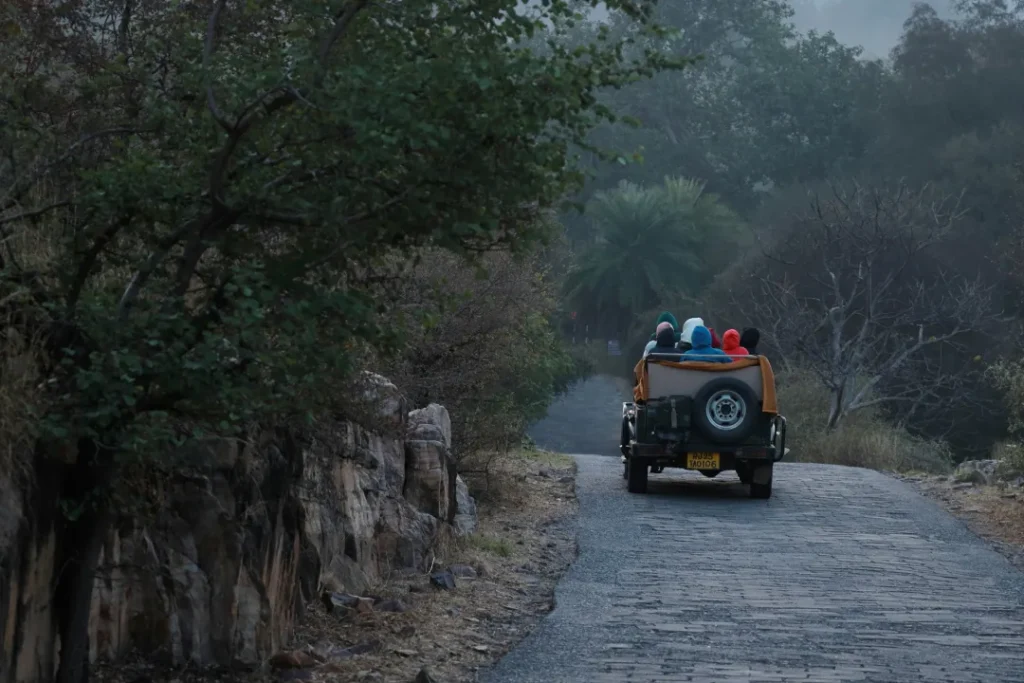
Jim Corbett National Park, established in 1936 as Hailey National Park, is India’s first and oldest national park. Located in the foothills of the Himalayas in Uttarakhand, the park covers around 1,318 sq km of forests, grasslands, river valleys, and rugged landscapes. It was later renamed in honour of Jim Corbett, the renowned hunter-turned-conservationist who played an important role in protecting India’s wildlife.
Why Visit Jim Corbett?
Jim Corbett is one of India’s most celebrated wildlife destinations and holds a special place in the country’s tiger conservation story. It became one of the first reserves under Project Tiger in 1973 and continues to support a remarkable diversity of wildlife.
- 230+ Royal Bengal Tigers — One of India’s most important tiger habitats
- 5 Major Safari Areas — Dhikala, Bijrani, Jhirna, Durga Devi, and Sitabani
- Ramganga River — A vital water source supporting fish, crocodiles, birds, and other wildlife
- 600+ Bird Species — An exceptional destination for birdwatchers
- Large Elephant Herds — Frequently spotted across the park, especially around Dhikala
Safari Zones
- Dhikala Zone — The most iconic safari area in Corbett, known for expansive grasslands, river views, elephants, and excellent wildlife opportunities. Overnight stays are available at the famous Dhikala Forest Lodge, with advance booking recommended.
- Bijrani Zone — One of the most popular safari zones, featuring open grasslands and dense sal forests. Its diverse habitat offers good opportunities for spotting tigers, elephants, deer, and other wildlife.
- Jhirna Zone — A year-round safari zone with dry deciduous forests and varied terrain. It is particularly known for elephant, leopard, deer, and bird sightings.
- Durga Devi Zone — Located in the northeastern part of Corbett, this zone features hilly landscapes and stretches along the Ramganga River. It is especially attractive for birdwatchers and wildlife enthusiasts.
- Sitabani Zone — A peaceful forest area outside the core tiger reserve. Its lighter forests and scenic surroundings make it ideal for birdwatching, nature exploration, and relaxed wildlife experiences.
Best Time to Visit
- November–February (Winter) — Pleasant temperatures and comfortable safari conditions, with good chances of wildlife sightings. Temperatures generally range from 5°C to 25°C.
- March–June (Summer) — Hotter days but an excellent period for wildlife viewing, as animals are often seen gathering around water sources. Temperatures can reach 25°C–42°C.
- July–September (Monsoon) — The landscape becomes lush and green, although access to several safari zones is restricted during the monsoon season. Jhirna and selected forest areas may remain accessible.
Key Wildlife
Jim Corbett is home to an impressive variety of mammals, reptiles, and birds, including:
- Royal Bengal Tiger
- Asian Elephant
- Leopard
- Sambar and Spotted Deer
- Gharial and Mugger Crocodile
- King Cobra
- Great Hornbill
- Pallas’s Fish Eagle
How to Reach
- By Air: Pantnagar Airport is the nearest airport, approximately 82 km away. Dehradun Airport is another option for travellers arriving by air.
- By Train: Ramnagar Railway Station provides convenient rail access to Corbett and has direct train connections with Delhi.
- By Road: Ramnagar is well connected by road with Delhi and other major cities of northern India, making it an easy gateway for a Corbett safari.